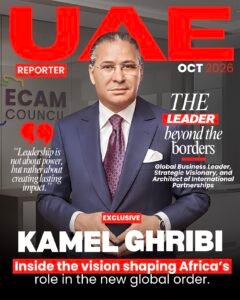
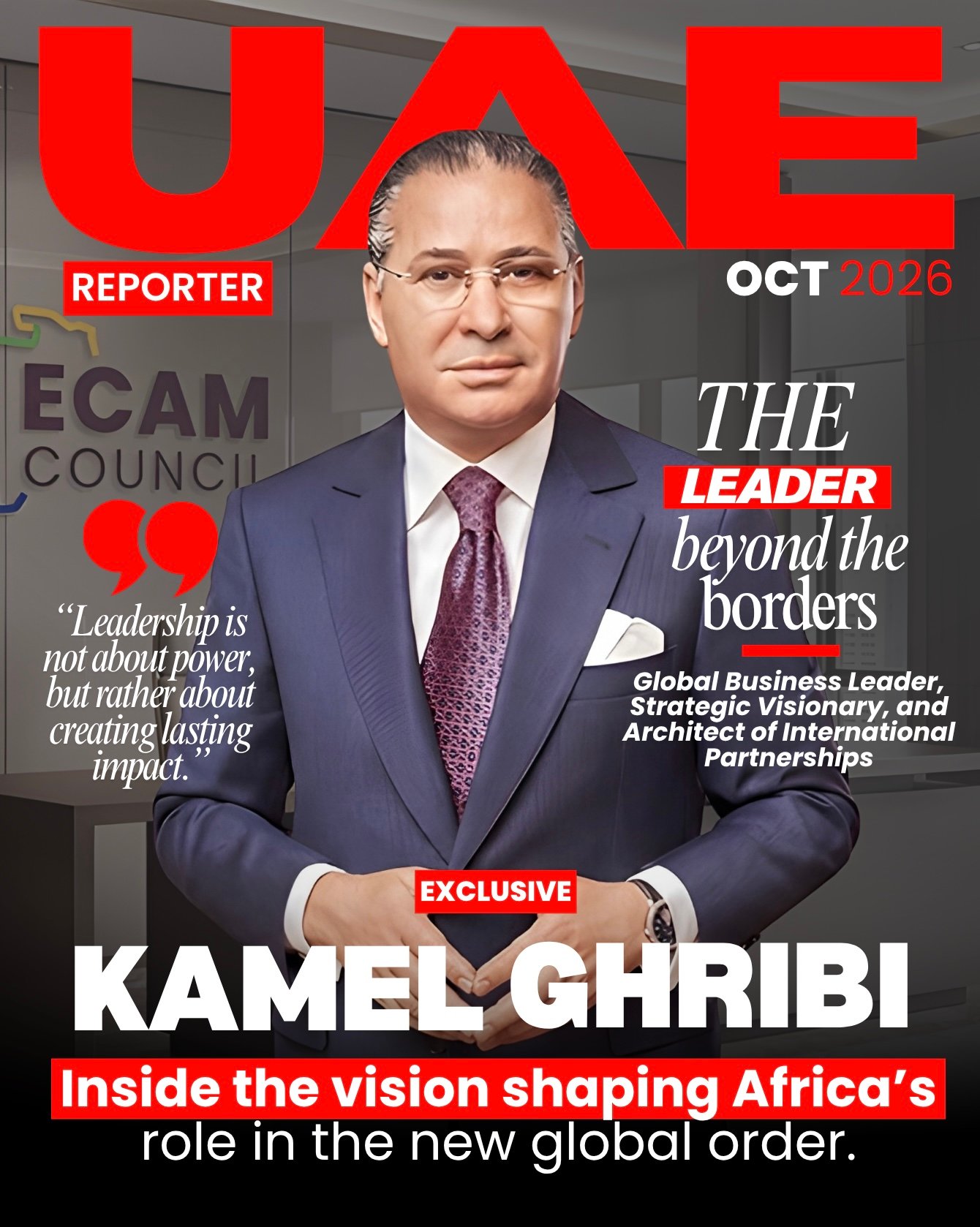
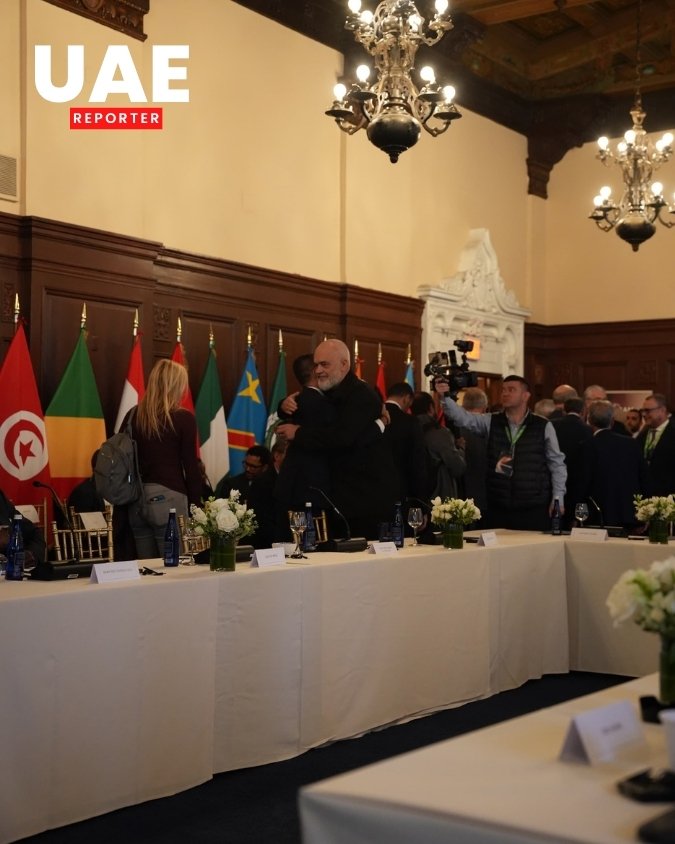
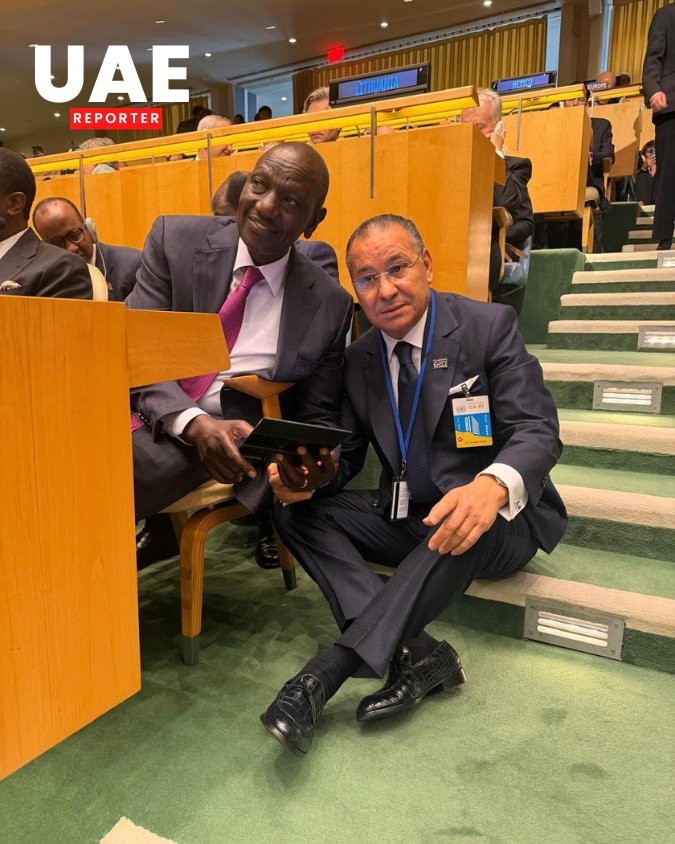
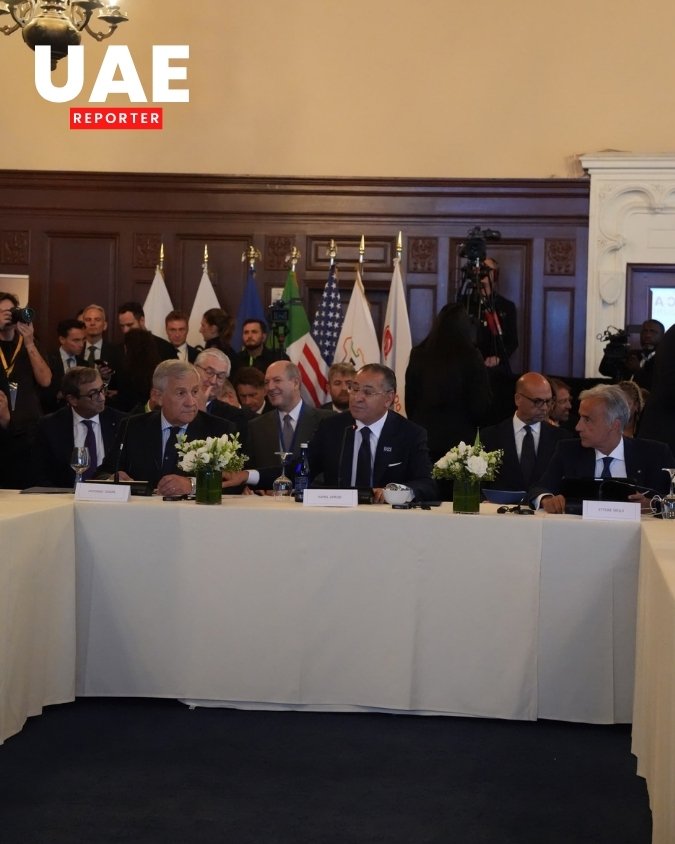
On September 24, 2026, as world leaders gathered in New York for the 81st United Nations General Assembly, Chairman Kamel Ghribi, Executive Chairman of the European Corporate Council on Africa and the Middle East (ECAM Council) and President of GKSD Investment Holding, convened a distinguished international gathering at The Plaza Hotel.
The eighth ECAM Council Summit, held under the theme “Shaping the New Global Order: Africa, the Middle East and the Architecture of Tomorrow,” brought together heads of state, government officials, diplomats, international institutions and business leaders to examine Africa’s changing position in the global economy and the opportunities for stronger cooperation between Africa, Europe and the Middle East.
At the heart of the summit was a clear proposition: Africa should no longer be viewed primarily through the lens of development assistance or natural-resource potential. It should be recognised as an increasingly influential economic partner with the leadership, talent, markets and entrepreneurial capacity to help shape the future global order.
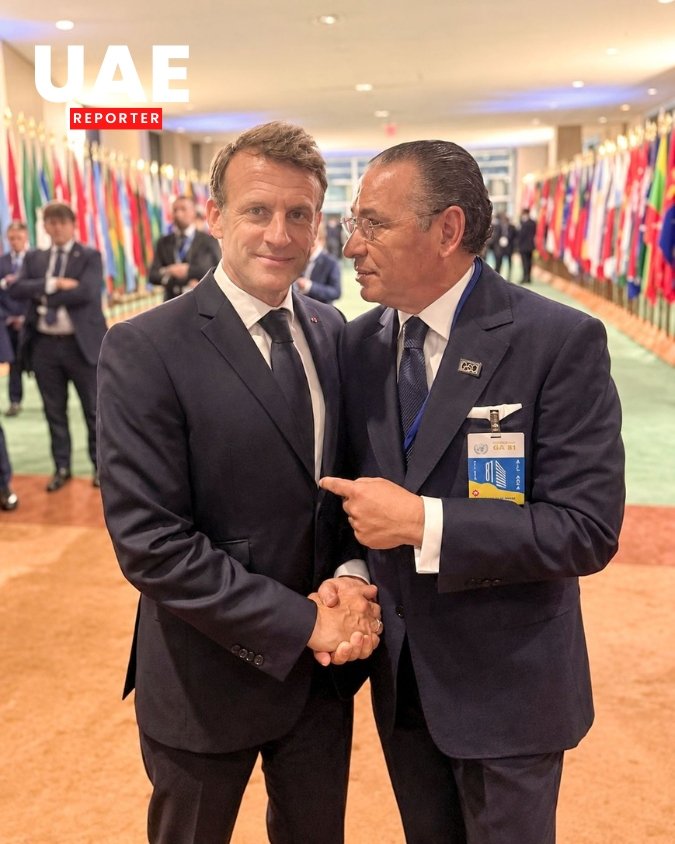
A Distinguished Gathering of Global Leadership
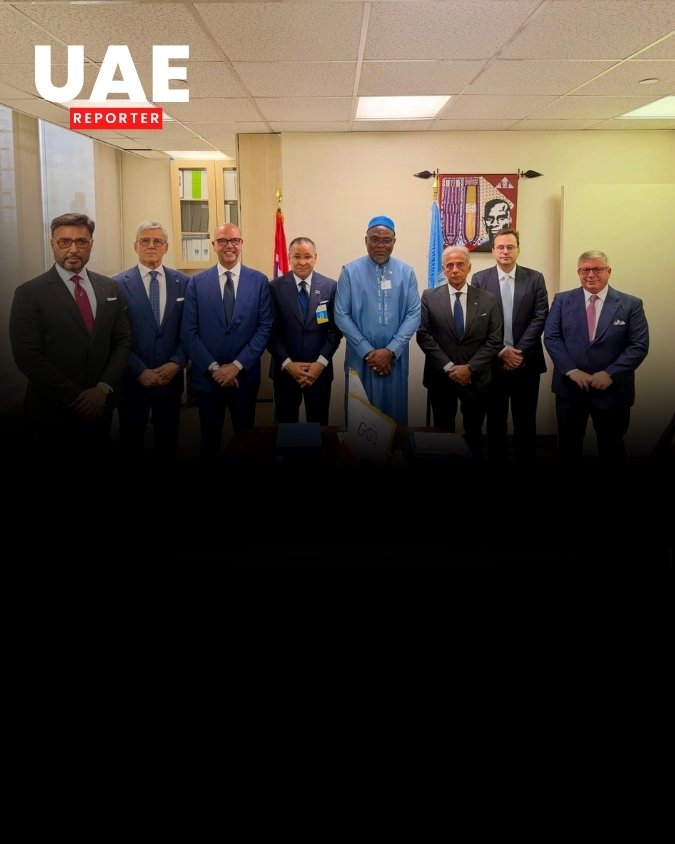
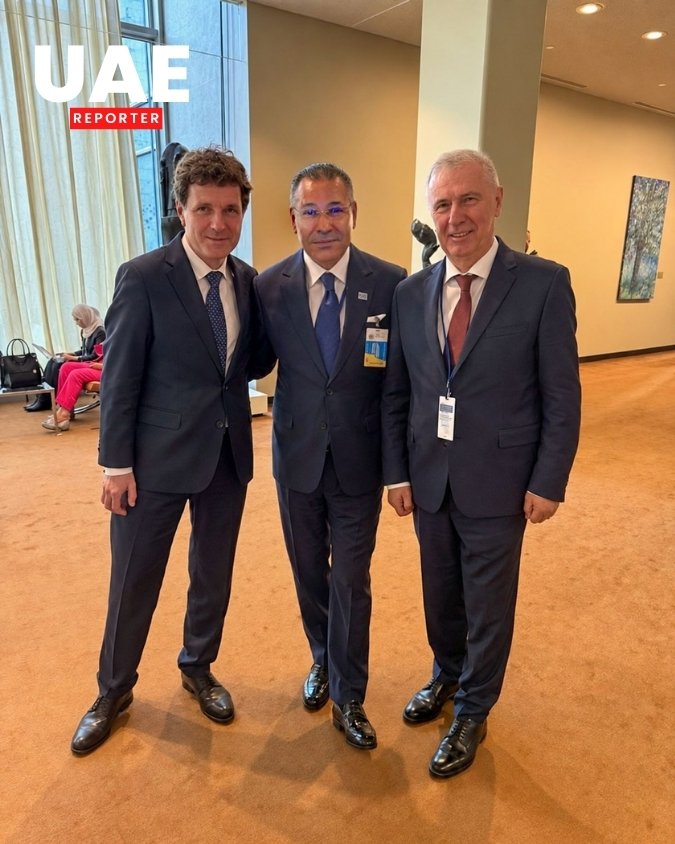
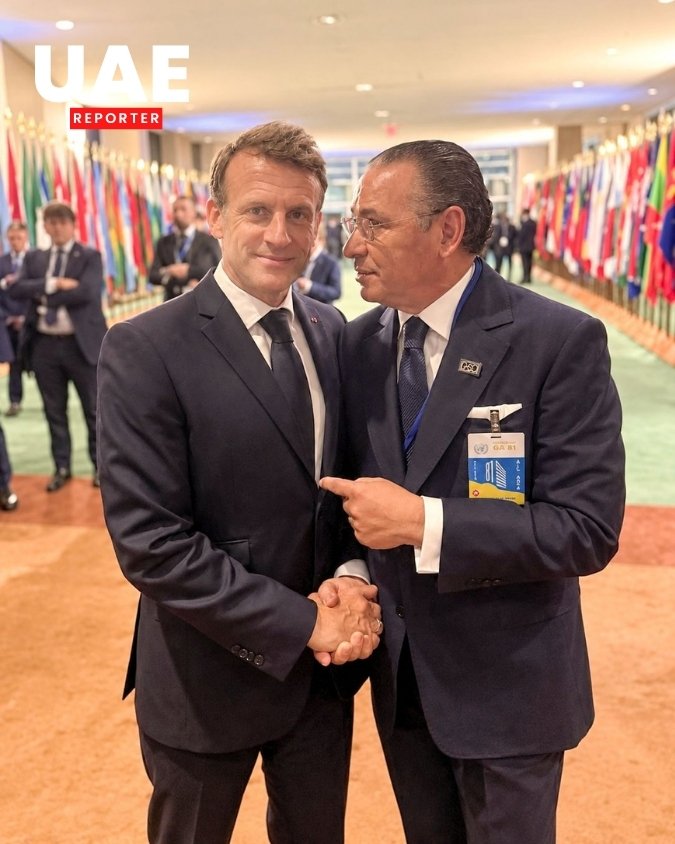
The summit brought together an exceptional group of international leaders, representing government, diplomacy, economic development, healthcare and global cooperation.
Among the distinguished participants were:
- Kamel Ghribi, Executive Chairman of ECAM Council and President of GKSD Investment Holding
- H.E. William Ruto, President of the Republic of Kenya
- H.E. Edi Rama, Prime Minister of the Republic of Albania
- H.E. Antonio Tajani, Deputy Prime Minister and Minister of Foreign Affairs and International Cooperation of the Republic of Italy
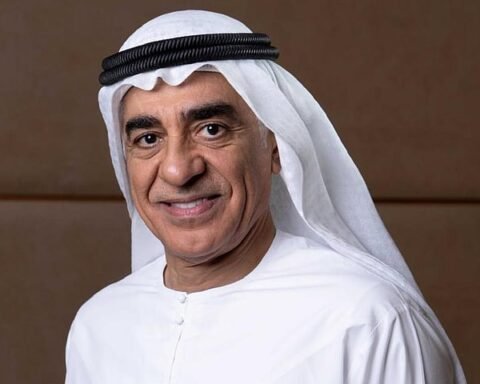
- H.E. Dr. Thani bin Ahmed Al Zeyoudi, Minister of Foreign Trade of the United Arab Emirates
- H.E. Francisca Tatchouop Belobe, Commissioner for Economic Development, Trade, Tourism, Industry and Minerals at the African Union Commission
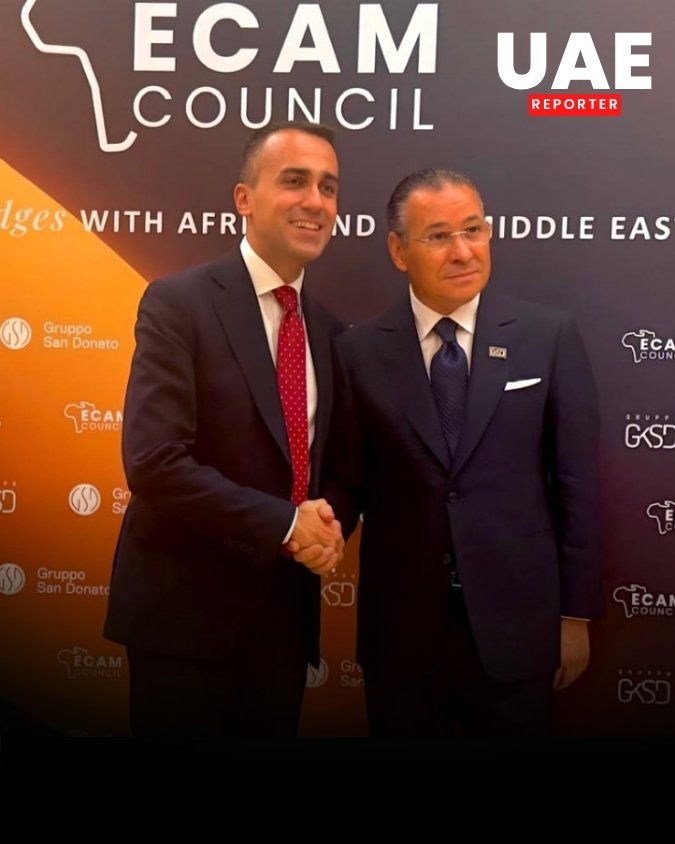
- Luigi Di Maio, European Union Special Representative for the Gulf Region and former Minister of Foreign Affairs and International Cooperation of Italy
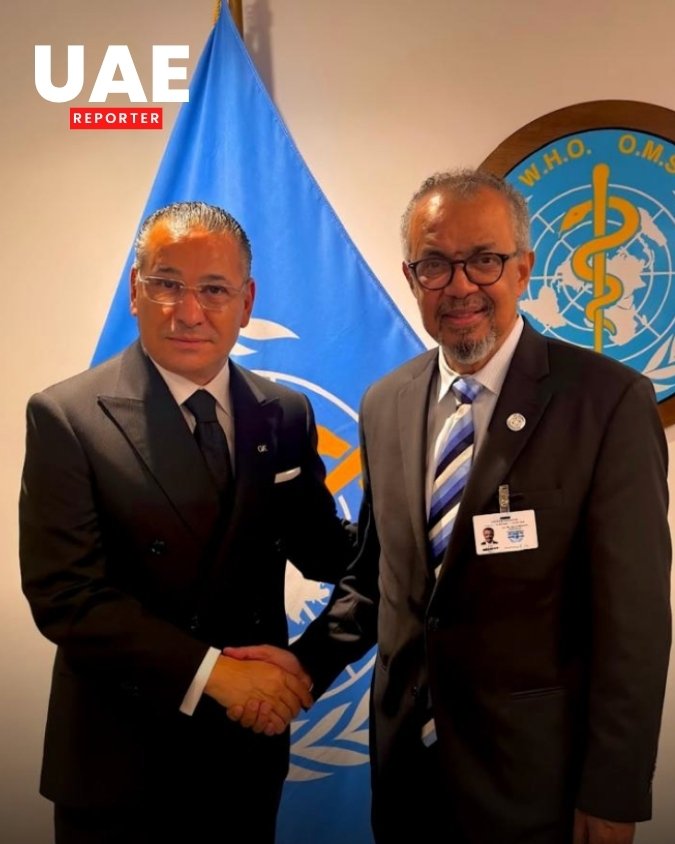
- Dr. Tedros Adhanom Ghebreyesus, Director-General of the World Health Organization
Their participation reflected the summit’s cross-regional ambition, bringing together perspectives from Africa, Europe and the Gulf around investment, trade, industrialisation, diplomacy, healthcare and economic development.
Kamel Ghribi’s Vision: Africa as a Partner
Opening the summit, Kamel Ghribi articulated a central principle of ECAM Council’s approach to Africa:
“Africa does not need charity; it needs partners. Africa is not the continent of tomorrow. It is the continent of today.”
The message captured the philosophy behind the gathering: Africa’s significance is not a distant possibility but a present reality.
With its natural resources, expanding consumer markets, young population, entrepreneurial energy and strategic position within global supply chains, Africa is increasingly central to discussions surrounding energy, technology, industrialisation and economic security.
Yet unlocking that potential requires more than capital. Sustainable transformation depends on infrastructure, education, healthcare, technology, skills development, industrial capacity and institutions capable of supporting long-term growth.
For Ghribi, international cooperation must therefore move toward a model based on mutual value, African ownership and measurable outcomes.
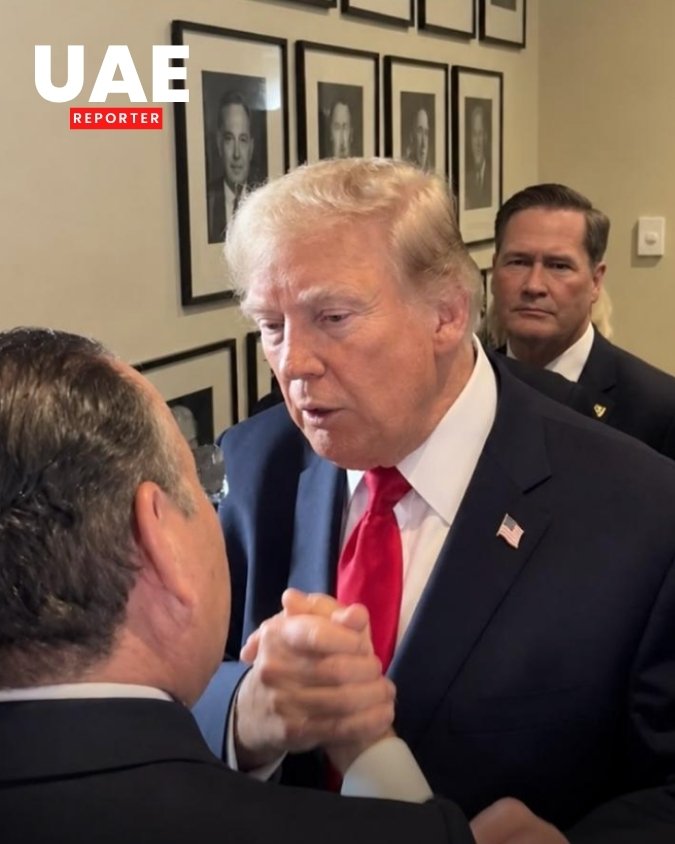
The ECAM Charter on Africa
One of the defining moments of the summit was the presentation of the ECAM Charter on Africa, a nine-principle framework designed to establish a new approach to international engagement with African countries.
Developed within the framework of the United Nations development objectives, the Charter places local value creation, African leadership, transparency, industrial development and long-term partnerships at the centre of its philosophy.
1. Local Value Creation
The Charter advocates moving beyond the export of unprocessed natural resources by strengthening processing, manufacturing and integrated value chains within African economies.
The objective is to retain a greater share of the value generated by African resources within the continent, supporting employment, industrial development and local productive capacity.
2. Public-Private Partnerships
Governments, businesses, investors, financial institutions, research centres and international organisations all have complementary roles to play.
The Charter calls for these stakeholders to align resources, expertise and responsibilities around shared development objectives.
3. Tangible Projects
The focus should shift from declarations to projects capable of producing measurable results.
Potential areas include infrastructure, healthcare, education, energy, industrial development, research and innovation.
4. Sustainability and Lasting Impact
Projects should be economically viable, socially inclusive and environmentally responsible.
The objective is to create benefits that continue well beyond the initial investment period and contribute to long-term resilience.
5. African Leadership and Responsibility
African partners should determine priorities, shape initiatives and lead development processes.
International partners can provide capital, expertise and technology, but local ownership and institutional capacity remain essential to sustainable development.
6. Transparency and Measurability
The Charter calls for objectives, resources, results and impact to be transparent and independently assessable.
Such accountability can strengthen confidence among governments, investors, institutions and communities.
7. Innovation and Transfer of Expertise
Modern technologies, innovative industrial models and knowledge transfer should be used not simply to deliver projects but to build lasting local capabilities.
8. Regional Integration
Cross-border infrastructure, integrated value chains and stronger market connectivity can help African economies expand opportunities, improve efficiency and build resilience.
9. Long-Term Partnerships
The Charter promotes relationships based on trust, continuity and shared responsibility rather than isolated interventions.
Its underlying philosophy is that meaningful development requires partnerships capable of evolving alongside changing priorities and circumstances.
Connecting Africa, Europe and the Gulf
A major theme throughout the summit was the opportunity to develop a stronger economic corridor connecting Africa, Europe and the Gulf.
Each region brings different strengths to the relationship.
Europe and the United States can contribute technology, industrial expertise and advanced capabilities. Gulf countries bring significant investment capacity and growing international commercial networks. African countries contribute natural resources, expanding markets, talent and increasingly sophisticated industrial potential.
The opportunity lies in connecting these strengths through reciprocal partnerships.
Investment should help build productive capacity in Africa, while technology and expertise support industrial development, skills and local ownership. At the same time, participating regions can benefit from expanding commercial opportunities and stronger economic connections.
H.E. Dr. Thani bin Ahmed Al Zeyoudi, Minister of Foreign Trade of the UAE, was among the distinguished speakers contributing to discussions around international economic cooperation and shared investment opportunities.
African Leadership at the Centre
The summit placed particular emphasis on the principle that African countries must remain at the centre of their own development strategies.
H.E. Francisca Tatchouop Belobe, Commissioner for Economic Development, Trade, Tourism, Industry and Minerals at the African Union Commission, captured this perspective by stating:
“Africa is ready. Africa has changed. The transformation is no longer a promise. It is a fact.”
Her remarks reinforced the importance of strong domestic institutions, effective leadership and coherent national and regional priorities.
International partnerships can provide capital and expertise, but sustainable transformation ultimately depends on African countries being able to define strategic priorities, develop local capabilities and establish the institutional foundations required to turn investment into lasting economic value.
From Vision to Action
For ECAM Council, the Charter is intended to serve as the beginning of a practical process rather than its conclusion.
The Council plans to work with African governments, businesses, investors, institutions and international organisations to identify and develop tangible projects aligned with the nine principles.
Its areas of focus include healthcare, education, infrastructure, energy, research, training, innovation and economic development.
Healthcare is particularly significant because strong health systems contribute directly to human capital and economic resilience. Infrastructure and energy provide the foundations for industrialisation, connectivity and trade, while education, research and training develop the capabilities needed to sustain long-term transformation.
The emphasis throughout is on identifiable objectives, measurable results and benefits capable of lasting beyond individual projects.
A New Role for International Dialogue
The timing of the summit during the 81st United Nations General Assembly placed its discussions within a broader global conversation about economic security, technological change, energy transition, regional stability and sustainable development.
Africa’s growing role in global value chains, the Gulf’s investment capabilities and Europe’s industrial and technological expertise create opportunities for cooperation across sectors that will define future economic growth.
But the summit also highlighted that economic partnerships are closely connected to sovereignty, institutional capacity and shared responsibility.
ECAM Council seeks to provide a platform where international dialogue can move toward practical cooperation while respecting the priorities and ownership of participating nations.
Prosperity as a Foundation for Stability
Beyond investment figures and industrial development, the summit addressed a larger question: what should economic progress ultimately achieve?
The ECAM Charter advances the idea that prosperity can provide a foundation for stability and peace.
For Africa, that means moving beyond the simple extraction and export of resources toward industries, employment, opportunity and economic value created within the continent.
The concept of peace presented through the Charter extends beyond the absence of conflict. It encompasses the ability of individuals and communities to build futures defined by dignity, opportunity and hope.
Economic development, in this vision, becomes not only a commercial objective but also a contributor to social stability.
A Long-Term Commitment to Shared Growth
The eighth ECAM Council summit reaffirmed the importance of international partnerships that deliver more than diplomatic declarations or investment announcements.
Through the ECAM Charter on Africa, the Council has articulated a framework centred on local value creation, African leadership, industrial development, transparency and enduring cooperation.
The next phase will be focused on translating those principles into projects and partnerships capable of producing measurable outcomes.
By bringing together political leaders, international institutions and private-sector representatives during one of the world’s most important diplomatic gatherings, Kamel Ghribi and ECAM Council reinforced the importance of connecting economic opportunity with human development.
The vision is ultimately about creating a more reciprocal relationship between Africa and its international partners—one in which investment strengthens local ownership, technology builds capability, and cooperation creates value across borders.
From resources to value. From value to prosperity. From prosperity to stability. From stability to peace.
About ECAM Council
The European Corporate Council on Africa and the Middle East (ECAM Council) is a private, non-profit and non-partisan association founded by Kamel Ghribi, President of GKSD Investment Holding, and Paolo Rotelli, President of Vita-Salute San Raffaele University.
The Council works to strengthen relations between Europe, Africa and the Middle East, with Italy playing a leading role, through dialogue, long-term investment and strategic partnerships across healthcare, infrastructure, education, research and training.

Manish Singh is the Editor-in-Chief of UAE Reporter and Founder of Credible Media LLC, a UAE-based media and public relations company. He began his career in music marketing at 16 before expanding into digital publishing and editorial storytelling. At UAE Reporter, he leads coverage of business, innovation, lifestyle and the people shaping the Emirates.
- IMF projects UAE economy to rebound 7.7% in 2027 after sharp 2026 contraction
- Dubai office sales jump 11.7% in Q3 as smaller investors return to the market
- Kamel Ghribi Brings Global Leaders Together to Shape a New Vision for Africa, Europe and the Middle East
- UAE DIGITAL ASSETS: BUILDING THE INFRASTRUCTURE FOR INSTITUTIONAL INVESTMENT