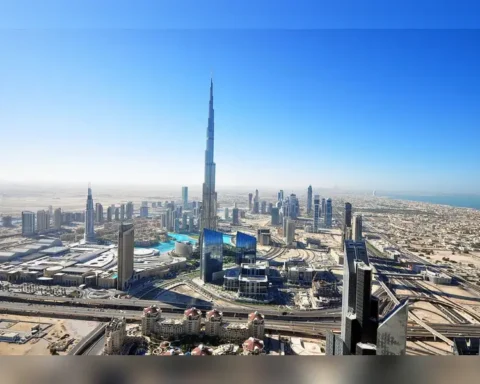
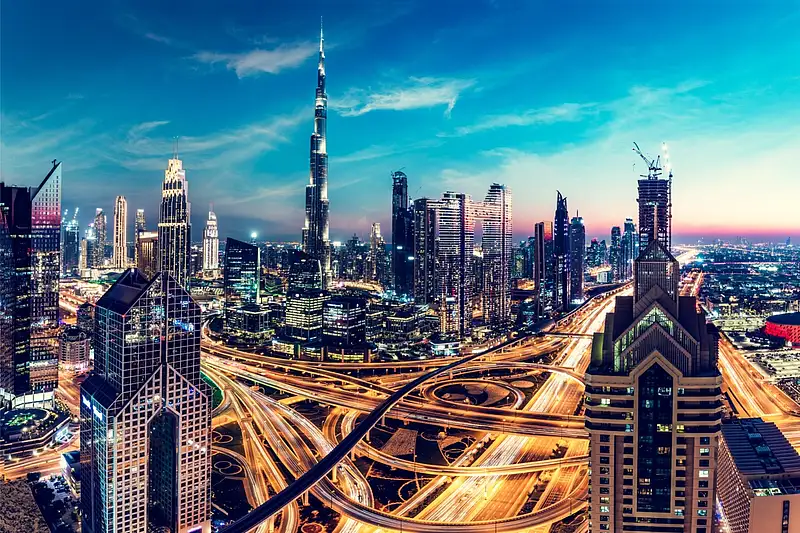
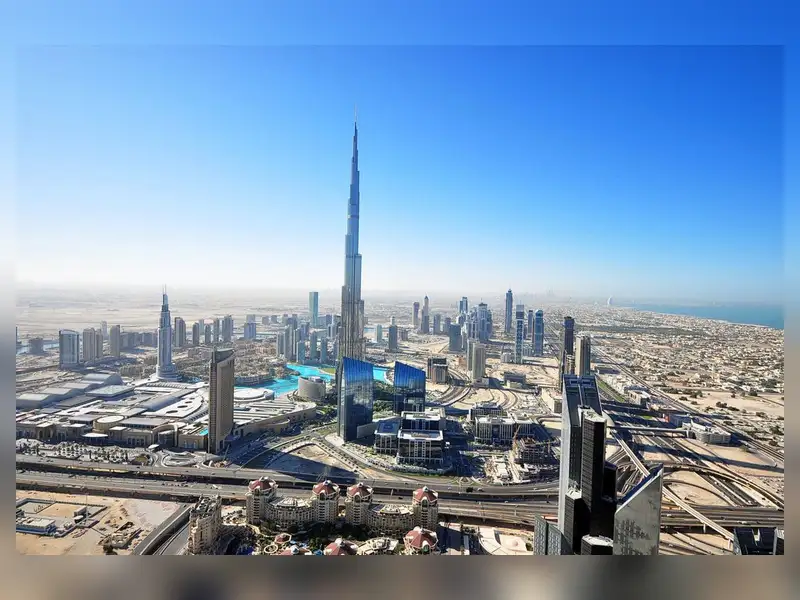
Dubai has risen to seventh place among the world’s leading financial centres, marking its highest-ever position in the Global Financial Centres Index (GFCI). The rise comes as the UAE continues to attract record levels of foreign direct investment (FDI), while strengthening its financial services, technology, fintech and artificial intelligence sectors.
The latest figures highlight the growing importance of the UAE as an international destination for capital, businesses and investment. According to the UN Trade and Development World Investment Report 2026, FDI inflows into the UAE increased by 6 per cent in 2025, reaching AED177.3 billion ($48.3 billion).
The country became the world’s ninth-largest recipient of foreign investment, further strengthening its position among major global investment destinations.
Dubai reaches its highest-ever financial centre ranking
Dubai climbed four positions in the Global Financial Centres Index 39, published in March 2026 by Z/Yen Group in partnership with the China Development Institute.
The seventh-place ranking represents a significant improvement for Dubai and reflects the emirate’s expanding financial ecosystem, international connectivity and growing role as a regional hub for investment and business.
The rise also comes as the UAE continues to develop policies and infrastructure aimed at attracting international companies, investors and specialised talent.
Dubai’s financial ecosystem has expanded beyond traditional banking and investment services. The emirate has increasingly positioned itself at the intersection of finance, technology, artificial intelligence and innovation.
This broader ecosystem is becoming increasingly important as international investors look for financial centres that offer not only access to capital but also strong regulation, technology infrastructure, skilled talent and access to emerging markets.
UAE FDI reaches AED177.3 billion
The UAE attracted AED177.3 billion ($48.3 billion) in FDI inflows during 2025, according to the latest international investment data.
FDI increased by 6 per cent compared with the previous year, making the UAE the ninth-largest recipient of foreign investment globally.
The country also retained its position as the world’s second-largest destination for greenfield FDI projects for the third consecutive year.
A total of 1,562 greenfield projects were announced in the UAE, highlighting continued international interest in establishing new businesses, production facilities and operations in the country.
The combination of rising FDI inflows and greenfield investment indicates that international capital is not simply entering the UAE through financial markets. Increasingly, investors are also establishing physical and operational footprints across sectors of the economy.
Dubai’s financial sector continues to expand
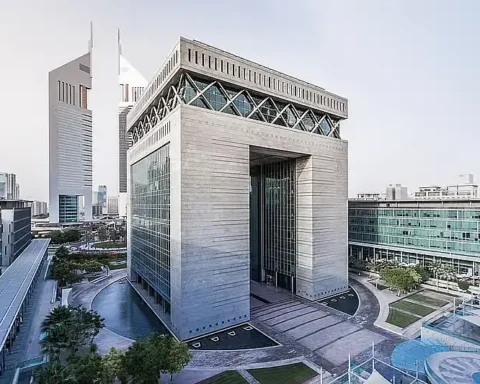
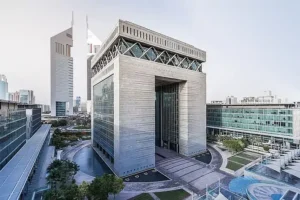
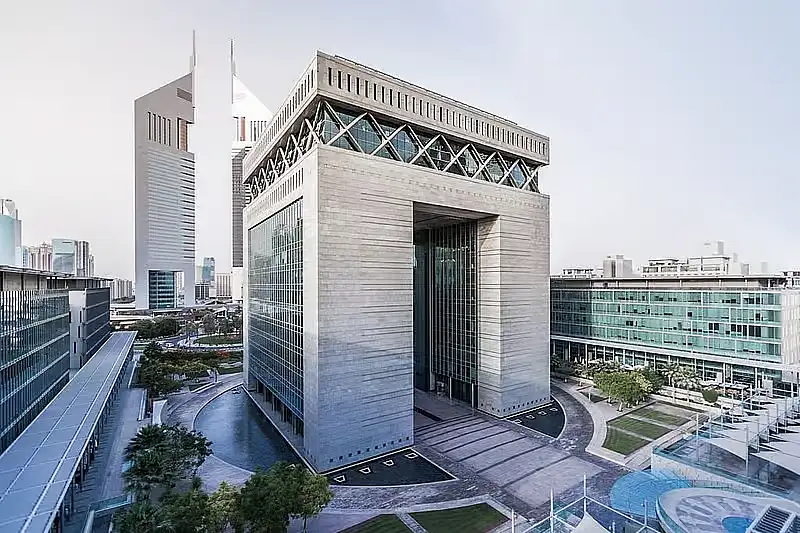
Dubai’s growing financial centre status is supported by the rapid expansion of the Dubai International Financial Centre (DIFC).
DIFC reported 10,018 active registered companies during the first half of 2026, representing a 30 per cent increase compared with the same period a year earlier.
The number of regulated financial firms also increased significantly. DIFC recorded 1,134 regulated financial firms, up 16 per cent year-on-year.
The growth demonstrates the increasing attractiveness of Dubai as a base for financial institutions, investment firms and companies seeking access to markets across the Middle East, Africa and South Asia.
The continued expansion of DIFC is also helping strengthen Dubai’s reputation as a global financial centre rather than simply a regional business hub.
Fintech and AI become major investment drivers
One of the most significant changes taking place within Dubai’s financial ecosystem is the rapid growth of technology-focused companies.
DIFC recorded 1,933 companies operating across artificial intelligence, fintech and innovation, representing a 39 per cent increase from the previous year.
The growth reflects a wider shift in global investment patterns, with financial centres increasingly competing to attract businesses involved in artificial intelligence, financial technology, data infrastructure and digital services.
For Dubai, the development of these sectors provides an opportunity to diversify its financial economy and attract companies operating at the intersection of technology and finance.
The UAE is also investing heavily in artificial intelligence infrastructure.
In Abu Dhabi, the planned Stargate UAE project is expected to become one of the region’s largest AI infrastructure clusters. Its first 200 megawatts are scheduled to come online in 2026.
The development adds another layer to the UAE’s technology ecosystem and could strengthen the country’s position as an international destination for AI-related investment.
Investors increasingly focus on the wider ecosystem
Industry executives say the latest investment figures should be viewed as part of a broader structural transformation of the UAE economy.
Wael Rashid, Business Development Manager at Evest, said the growth in foreign investment is occurring alongside the expansion of financial services, technology and artificial intelligence.
According to Rashid, this suggests that international capital is increasingly being directed towards businesses and sectors with long-term growth potential.
The changing priorities of global investors are also reshaping competition between financial centres.
Investors are increasingly assessing destinations based on the strength of their entire business ecosystem rather than simply the ease of establishing a company.
Regulation, technology infrastructure, availability of talent, market access and financial services are becoming critical factors when businesses decide where to deploy capital.
This trend could benefit Dubai as the emirate continues to combine its financial infrastructure with technology, innovation and international connectivity.
UAE strengthens position as a global capital hub
The latest data reinforces the UAE’s emergence as one of the world’s most important destinations for international capital.
The country’s position as the second-largest destination for greenfield FDI projects, combined with its ninth-place ranking for overall FDI inflows, demonstrates the breadth of international investor interest.
Dubai’s seventh-place position in the Global Financial Centres Index adds another important dimension to this story.
The emirate is increasingly competing with established financial centres by offering a combination of financial infrastructure, business-friendly policies, international connectivity and access to rapidly growing markets.
The expansion of DIFC further strengthens this position by providing a specialised ecosystem for financial and professional services.
At the same time, the rapid growth of fintech, artificial intelligence and innovation companies is helping Dubai build a more technology-driven financial economy.
What Dubai’s financial rise means for the UAE economy
Dubai’s improved global financial ranking could have wider implications for the UAE economy.
A stronger financial centre can attract international banks, investment firms, asset managers, fintech companies and multinational corporations. These businesses can contribute to employment, knowledge transfer, capital formation and the development of specialised professional services.
Higher levels of foreign investment can also support the growth of emerging industries and reduce dependence on traditional economic sectors.
The UAE’s continued focus on greenfield projects is particularly significant because such investments can create new economic activity rather than simply transferring ownership of existing assets.
The growing presence of technology and AI companies could further accelerate this diversification.
Global competition among financial centres intensifies
Dubai’s rise also comes at a time when financial centres around the world are competing aggressively for international capital and talent.
The traditional advantages of established centres such as London, New York and Singapore remain significant. However, emerging hubs are increasingly attempting to differentiate themselves through regulatory frameworks, infrastructure, tax policies, technology investment and access to fast-growing markets.
Dubai’s strategy has been to build an integrated ecosystem where financial services, real estate, technology, logistics, tourism and international business operate alongside one another.
The latest GFCI ranking suggests that this strategy is gaining recognition internationally.
Outlook for Dubai’s financial sector
Dubai’s record ranking in the Global Financial Centres Index, combined with the UAE’s strong FDI performance, provides a positive outlook for the emirate’s financial sector.
The expansion of DIFC, the rapid growth of fintech and AI companies, and major investments in technology infrastructure are likely to remain important drivers of the UAE’s economic transformation.
However, maintaining this momentum will require continued investment in talent, regulation, infrastructure and innovation.
As global investors increasingly evaluate the complete ecosystem surrounding a financial centre, Dubai’s ability to combine capital markets with technology, skilled talent and access to emerging economies could become an increasingly important competitive advantage.
For now, Dubai’s move to seventh place globally represents a major milestone. Coupled with the UAE’s AED177.3 billion FDI inflows, the figures underline the country’s growing role in global investment and reinforce Dubai’s ambition to remain one of the world’s leading financial and business hubs.
Post Views: 32