DIEZ H1 2026 Growth Signals Strong Business Momentum in Dubai
The DIEZ H1 2026 growth story is emerging as another indicator of Dubai’s strengthening position as a destination for global businesses, investors, entrepreneurs and technology companies.
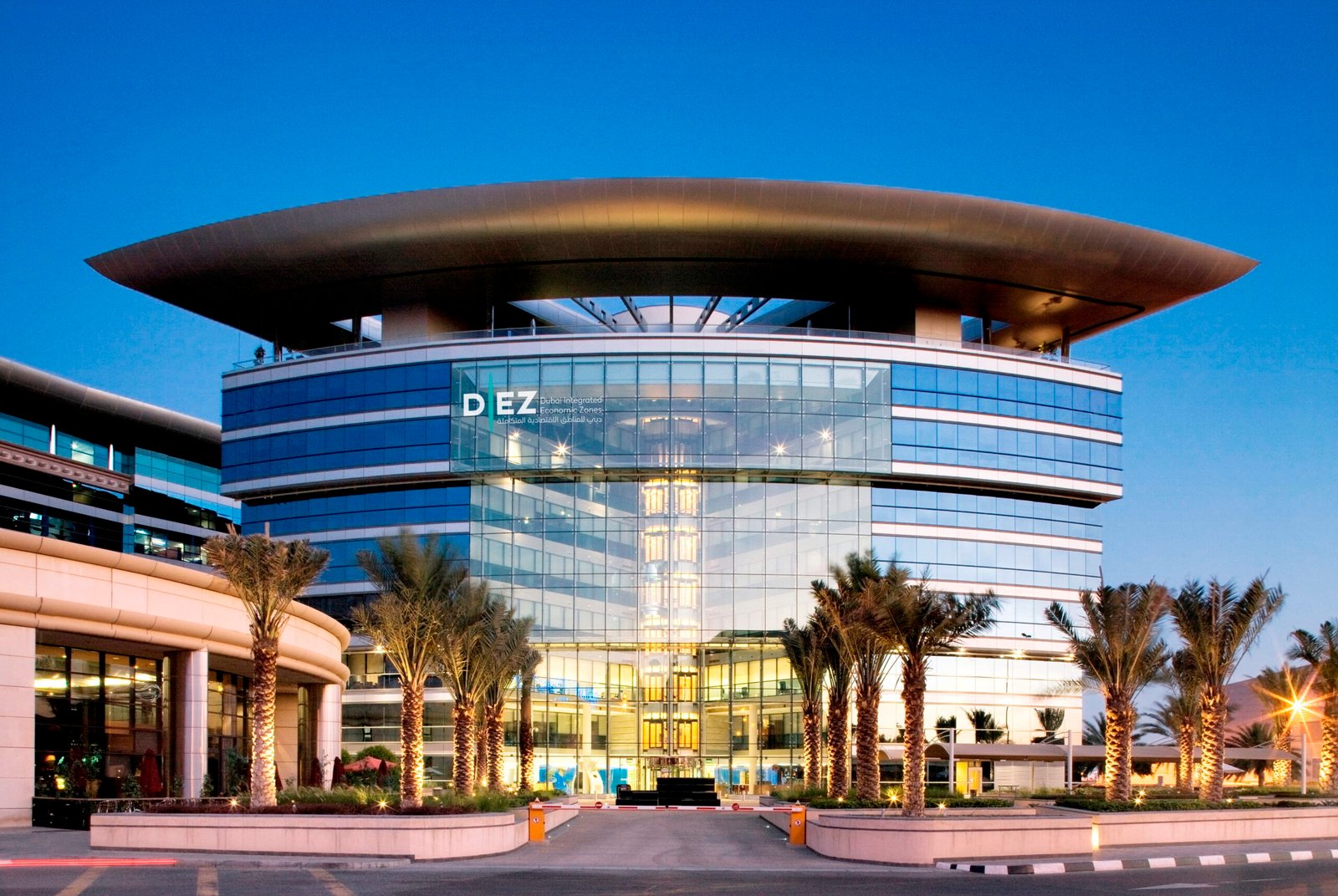
The Dubai Integrated Economic Zones Authority (DIEZ) maintained strong growth momentum during the first half of 2026, supported by sustained demand for the infrastructure, facilities and business services available across its economic zones. The authority also recorded continued growth in the number of companies operating within its zones, expansion in their workforce and increased investment activity in startups and future-focused sectors.
The performance reinforces the attractiveness of Dubai’s business ecosystem and its ability to support companies throughout different stages of their development, from establishment and expansion to innovation and investment.
It also aligns with the broader ambitions of the Dubai Economic Agenda, D33, which seeks to strengthen Dubai’s position among the world’s leading urban economies and enhance its role as a global centre for business, investment, innovation and entrepreneurship.
96% Occupancy Reflects Strong Demand for Dubai Economic Zones
One of the most significant indicators of the DIEZ H1 2026 growth was the 96% occupancy rate recorded across DIEZ’s three economic zones during the first half of the year.
The three zones are:
- Dubai Airport Freezone (DAFZ)
- Dubai Silicon Oasis (DSO)
- Dubai CommerCity
The high occupancy rate reflects sustained demand for the infrastructure, facilities and services offered by the zones. It also indicates continued confidence among companies seeking locations that provide access to Dubai’s business ecosystem, connectivity and specialised infrastructure.
At the same time, the number of companies operating within DIEZ’s economic zones increased by 13% compared with the first half of 2025.
The workforce employed by companies within the zones recorded even stronger growth, rising by 24% year on year.
The combination of higher company numbers and faster workforce growth points towards more than simple business registration activity. It suggests that companies operating within the ecosystem are expanding their operations and increasing their economic footprint.
Dubai’s Business Environment Continues to Attract Global Companies
His Highness Sheikh Ahmed bin Saeed Al Maktoum, Chairman of DIEZ, said the first-half results demonstrate the resilience of DIEZ’s economic model and its ability to maintain growth despite rapid transformations in the global economy.
The increase in companies and employees, he noted, reflects confidence in Dubai’s competitive business environment and its ability to support expansion, create opportunities and attract high-value investment.
This is increasingly important as global companies reassess where to establish regional headquarters, technology operations, trading businesses, logistics platforms and innovation activities.
Dubai’s combination of international connectivity, business infrastructure, free-zone ecosystems and investment opportunities has strengthened its position in this increasingly competitive environment.
DIEZ’s performance therefore forms part of a broader trend in which Dubai is seeking to move beyond being simply a business-friendly destination and establish itself as a complete ecosystem for companies throughout their growth cycle.
Major Investments Strengthen Dubai’s Future-Economy Infrastructure
The DIEZ H1 2026 growth story is also being supported by major infrastructure investments designed to accommodate future-focused industries.
During the first half of 2026, DIEZ launched several expansion projects at Dubai Silicon Oasis, including two flagship developments: District IO and Block 14.
District IO is backed by an AED 11 billion investment and is designed to provide advanced infrastructure for future technologies.
The project supports Dubai’s wider ambition to become a global hub for research, development and innovation. Its focus reflects the increasing importance of advanced technology, artificial intelligence, research and digital businesses in the emirate’s economic strategy.
Another major development is Block 14, for which the first phase represents an investment of AED 1.8 billion.
The development will create a mixed-use business and residential community aligned with the Dubai 2040 Urban Master Plan and Transit-Oriented Development principles.
The first phase will include one commercial building, two residential buildings, a retail district and enhanced connectivity with Dubai’s Metro network.
A particularly important element is its location next to the future Dubai Metro Blue Line station. The first phase is scheduled for completion in 2029, coinciding with the planned opening of the Blue Line.
This integration of commercial, residential, retail and transport infrastructure illustrates the increasingly interconnected nature of Dubai’s economic and urban development strategy.
Oraseya Capital Expands Its Role in the Startup Ecosystem
DIEZ’s growth during H1 2026 was not limited to physical infrastructure and established companies. Its investment arm, Oraseya Capital, continued to expand its role in supporting startups and emerging technology businesses.
According to MAGNiTT’s H1 2026 ranking of the most active investors across the Middle East, Africa and Southeast Asia, Oraseya Capital remained the UAE’s most active investor by number of deals for the third consecutive year.
It also ranked as the UAE’s most active early-stage investor and placed second across the MENA region in both categories.
During the first half of 2026, Oraseya Capital invested in 15 startups, representing a 25% increase in new investments compared with H1 2025.
The investment portfolio included businesses focused on artificial intelligence and other scalable digital technologies.
Among its latest investments was Takeem, a proptech platform specialising in rent guarantee solutions. The funding round was led by Dubizzle Group, which is expected to support the platform’s expansion across the UAE.
Oraseya Capital also invested in Revora, an AI-powered e-commerce platform serving GCC markets. The investment reflects the growing focus on scalable digital business models that can address regional markets.
Startup Support Extends Beyond Venture Capital
DIEZ’s startup ecosystem also includes programmes designed to support entrepreneurs at earlier stages of development.
Its Sandbox programme continued to attract significant interest during the first half of 2026.
The eighth cohort received 771 applications. Following 28 selection committee meetings, 16 companies were selected to participate in the programme.
The numbers highlight the growing depth of entrepreneurial activity around DIEZ and the increasing demand for structured platforms that can help startups develop their businesses, access networks and prepare for future investment.
This approach is particularly relevant to Dubai’s ambition to develop a technology-driven economy where startups are not only established locally but can also scale across the UAE, GCC and wider international markets.
Dtec Records Sharp Growth in AI Companies
The Dubai Technology Entrepreneur Campus (Dtec), another key component of DIEZ’s innovation ecosystem, also recorded strong growth during H1 2026.
The number of new company registrations increased by 57% compared with the first half of 2025.
Even more notable was the growth in artificial intelligence-focused companies. The number of companies specialising in AI increased by 95% year on year.
The sharp increase highlights the growing importance of artificial intelligence within Dubai’s entrepreneurial ecosystem.
It also indicates that demand for specialised technology environments is increasing as entrepreneurs and companies seek access to infrastructure, networks and business support designed around emerging technologies.
The rapid growth of AI businesses at Dtec is particularly significant as Dubai continues to position itself as a global centre for digital transformation and future industries.
AI and Digital Transformation Become Central to DIEZ’s Strategy
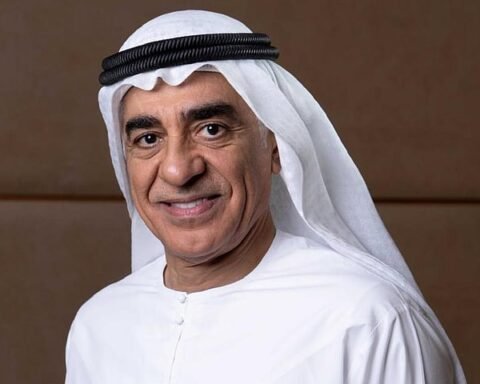
DIEZ Executive Chairman His Excellency Dr. Mohammed Al Zarooni said the first-half performance demonstrates the success of the authority’s approach to building an integrated economic ecosystem that responds to the evolving needs of businesses.
The strategy covers companies at different stages of their development, from establishment and expansion to investment and innovation.
Looking ahead, DIEZ plans to further strengthen its ecosystem through enhanced services and institutional enablers, accelerated digital transformation and greater deployment of artificial intelligence technologies.
The objective is not only to improve operational efficiency but also to enhance the customer experience and strengthen DIEZ’s ability to attract high-value companies and investment into future-focused sectors.
This direction reflects a broader shift in the global business environment, where investors increasingly evaluate locations based on the quality of their complete ecosystem rather than individual incentives.
Infrastructure, talent, connectivity, technology capabilities, access to capital and government support are increasingly interconnected factors in investment decisions.
What DIEZ’s H1 2026 Performance Means for Dubai
The DIEZ H1 2026 growth figures provide several important signals about Dubai’s economic positioning.
First, the 96% occupancy rate demonstrates that demand for established economic-zone infrastructure remains strong.
Second, the 13% increase in companies indicates continued business formation and expansion.
Third, the 24% workforce increase suggests that the growth is translating into greater operational activity and employment within the zones.
Fourth, the 25% increase in new investments by Oraseya Capital demonstrates rising momentum within the startup and venture capital ecosystem.
Finally, the 95% increase in AI companies at Dtec points towards a rapidly expanding technology-focused business base.
Together, these indicators suggest that Dubai’s economic ecosystem is becoming increasingly diversified, with established businesses, startups, technology companies, investors and innovation-focused enterprises operating within interconnected platforms.
Strengthening Dubai’s Global Investment Proposition
DIEZ’s first-half performance comes at a time when cities and economic centres worldwide are competing aggressively for international capital, entrepreneurs and high-value businesses.
Dubai’s strategy increasingly focuses on creating an environment where businesses can establish operations, access infrastructure, hire talent, raise capital, innovate and expand regionally.
DIEZ contributes to this strategy by combining economic-zone infrastructure with investment platforms, startup programmes, technology campuses and future-oriented developments.
The performance of DAFZ, DSO and Dubai CommerCity, combined with the investment activity of Oraseya Capital and the technology growth at Dtec, demonstrates how different elements of the ecosystem are working together.
The development pipeline further strengthens this proposition.
Projects such as District IO and Block 14 indicate that Dubai is continuing to invest in the physical infrastructure required to support its next phase of economic growth, while the expansion of AI-focused businesses demonstrates increasing demand for the digital infrastructure and entrepreneurial environment needed by future industries.
A Stronger Platform for the Next Phase of Growth
The first half of 2026 has therefore strengthened DIEZ’s role within Dubai’s broader economic strategy.
With occupancy reaching 96%, the number of companies rising 13%, the workforce increasing 24%, startup investments growing 25% and AI companies at Dtec increasing 95%, the authority has recorded broad-based momentum across its business, investment and innovation ecosystem.
The combination of infrastructure expansion, startup financing, entrepreneurship programmes and technology-focused business development is positioning DIEZ to support companies not only when they enter Dubai but throughout their growth journey.
As Dubai continues implementing the objectives of D33 and pursuing its ambition to rank among the world’s top three urban economies, ecosystems such as DIEZ are likely to remain important in attracting global businesses, investors, entrepreneurs and technology companies.
The DIEZ H1 2026 growth performance ultimately highlights a wider transformation taking place across Dubai: the emirate is building an increasingly integrated platform where business expansion, investment, innovation, technology and urban development converge.
For global companies looking for a base in the Middle East, the continued expansion of DIEZ’s ecosystem strengthens Dubai’s proposition as a location where businesses can establish, scale, innovate and access opportunities across the wider regional market.
Post Views: 36